Everyone is very nice. We tried a lot of dishes there's chewy intestines, oden, and yakiniku with seasoned rice.
Overview
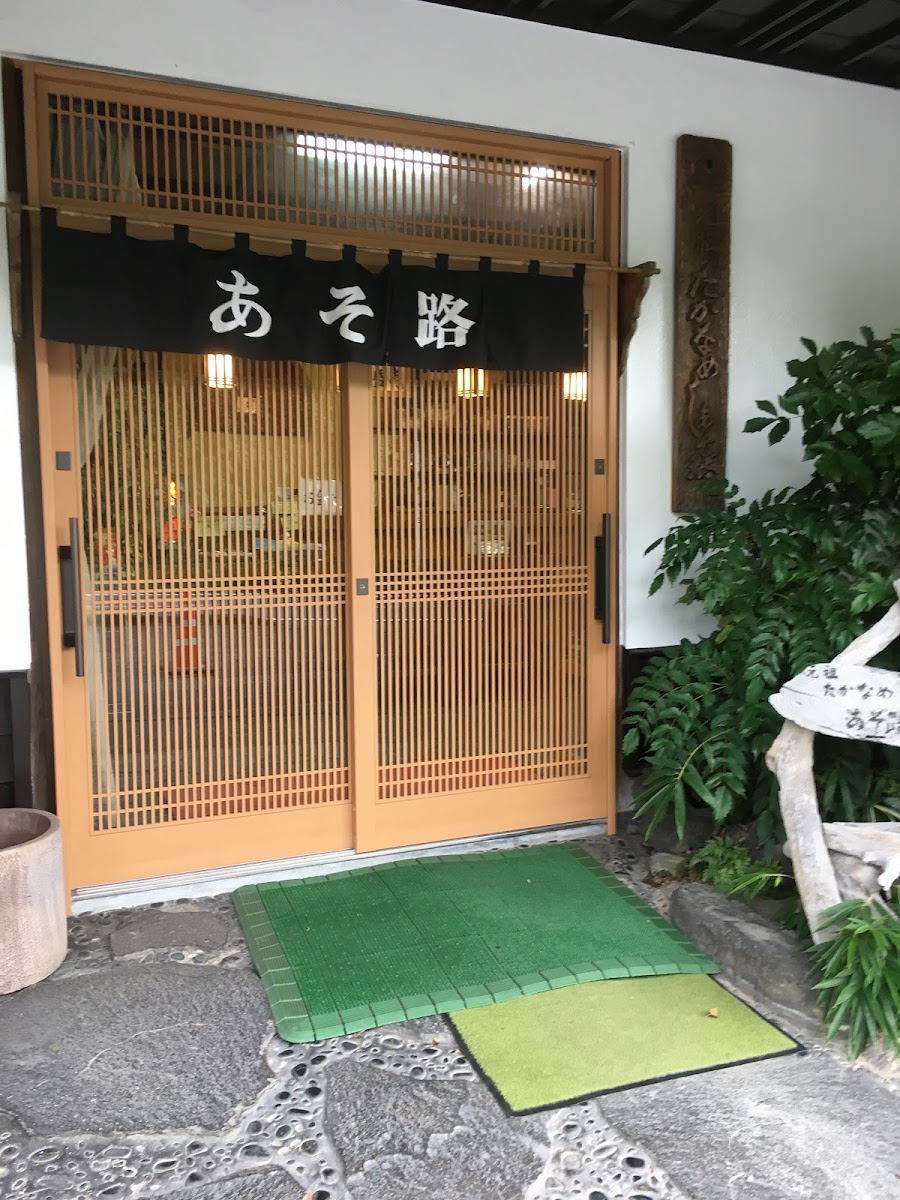
Tucked along the scenic roads of 1476-1 Matoishi, Aso, Kumamoto 869-2237, Japan, Asoji feels like the kind of place you discover once and then quietly recommend to friends who appreciate honest food. I stopped by after a long morning exploring Mount Aso, and the first thing that struck me was how calm and unpretentious the setting felt. Large windows let in soft natural light, and from certain seats you can catch glimpses of the surrounding greenery that makes Aso such a beloved destination in Kyushu.
The menu is rooted in local tradition, and that’s where this diner truly shines. Kumamoto is famous for its Akaushi wagyu beef, and Asoji makes the most of it. I ordered the grilled Akaushi steak set, served with rice, miso soup, seasonal pickles, and a small side salad. The beef had that deep umami flavor you only get from well-raised cattle. According to the Japan Livestock Industry Association, Kumamoto’s Akaushi is prized for its balanced marbling and rich red meat, offering a leaner profile compared to other wagyu varieties. You could taste that balance clearly-tender, flavorful, but not overwhelmingly fatty.
What impressed me most, though, was the cooking process. The chef explained that the steak is seared quickly over high heat to lock in juices, then rested before slicing. It’s a simple method, yet it requires precision. I’ve seen similar techniques used in professional kitchens in Tokyo, where timing and temperature control are everything. At Asoji, the execution felt confident and consistent. The result was a steak that needed little more than a sprinkle of sea salt to stand out.
Beyond beef, the restaurant’s menu also features local specialties like basashi (horse sashimi), hearty curry rice, and seasonal vegetable dishes sourced from nearby farms. Farm-to-table isn’t just a trendy phrase here-it’s practical. The Aso region is known for its fertile volcanic soil, and the produce reflects that. Crisp greens, sweet tomatoes, and earthy root vegetables show up in small but meaningful ways throughout the meal.
Reviews from both local diners and travelers often highlight the generous portions and reasonable pricing. In my experience, that reputation is well deserved. The lunch set I ordered was satisfying without being overly heavy, and the pricing felt fair for the quality of ingredients. In a tourist-friendly location like Aso, that balance between quality and value is not always guaranteed.
Service adds another layer to the experience. The staff were warm and patient, even when I stumbled through my Japanese. They took the time to explain the differences between the steak cuts and suggested pairing options. That kind of guidance builds trust. It’s clear they know their products and take pride in representing local cuisine. The atmosphere itself is relaxed-more countryside diner than upscale steakhouse-yet the food quality rivals establishments in larger cities.
Food safety and hygiene standards in Japan are among the strictest in the world, guided by regulations from the Ministry of Health, Labour and Welfare. While diners rarely see what happens behind the scenes, the cleanliness of the dining area and the organized open kitchen at Asoji gave me confidence. Everything felt orderly and transparent, which matters when you’re enjoying raw dishes like basashi.
Of course, like many regional restaurants, hours and availability can vary depending on the season and local tourism flow. It’s always wise to check ahead, especially during peak travel periods around Mount Aso. Still, that slight unpredictability is part of the charm of dining in rural Japan. Places like this operate at their own rhythm, shaped by local ingredients and community needs.
If you’re exploring Aso and want a meal that reflects the landscape, culture, and agricultural heritage of Kumamoto, this restaurant delivers. From carefully prepared Akaushi beef to thoughtfully assembled set meals, every detail feels grounded in place. The flavors are straightforward yet memorable, the setting is peaceful, and the experience feels genuinely connected to the region rather than designed for passing trends.
Good to know
Service options
✓ Takeaway ✓ Dine-in ✓ DeliveryPopular for
✓ Lunch ✓ Dinner ✓ Solo diningAccessibility
✓ Wheelchair-accessible seating ✓ Wheelchair-accessible toiletOfferings
✓ Alcohol ✓ Beer ✓ CoffeeDining options
✓ Lunch ✓ Dinner ✓ Seating ✓ Table serviceAmenities
✓ Smoke-free place ✓ ToiletAtmosphere
✓ Casual ✓ CosyCrowd
✓ Family friendly ✓ Groups ✓ LGBTQ+ friendly ✓ TouristsPayments
✓ Cash only ✓ au PAY ✓ dBarai ✓ Rakuten Pay ✓ Transit IC cards ✓ V-MoneyChildren
✓ Good for kids ✓ High chairsParking
✓ Free parking lot ✓ ParkingPhotos
1 / 4
Location
Reviews
- No ratings yet 1017 reviews
たかな 高菜 very delicious pickle fried rice with ホルモン intestine strew ... Very interesting dishes!
The wait is worth it! Awesome beef, that was amazing marbling! I swear this has to be the best beef at the best price. It was so good that we had another serving of the beef after our 1st one.
Great & simple local dishes; excellent service and didn’t turn us away even we arrived 20 minutes before restaurant closing time
阿蘇の高菜飯が有名な人気店! 平日でしたがお昼時行列ができていてしばらく待ちました。 たかなめし定食を注文しました。 高菜飯、だご汁、ホルモン煮込みと、名物が全部食べられるのが嬉しいです。 はじめに高菜飯とだご汁が、遅れてホルモン煮込みがきました。 だご汁が具沢山でおいしかったです! 高菜飯もおいしかったですが、味が濃いので少し飽きてしまい、白飯が恋しくなりました。 なんにしてもせっかく訪れた阿蘇!名物の高菜飯が食べられてよかったです。 お店の中も老舗らしい風情があります。 そして忙しそうでしたが店員さんはテキパキしていました。 支払いは現金のみです。
たかなめしとだご汁、ホルモン煮込みが有名なお店で、どれも美味しいです。 たかなめし定食、ホルモン煮込み定食…他にも、汁物は、だご汁、ご汁、豚汁、味噌汁から選べます。 おでんや野菜炒めも美味しくて、食べたくなるので、行った人とシェアします。 たかなめしは、お持ち帰りも出来ます。 シソの実を入れて食べるのも好きなので、注文します。